Anaesthesia Implications
In some institutions, the anaesthesiologist may be involved in the resuscitation of the patient immediately following their arrival to the emergency department.
Always assume that the trauma patient has a full stomach and is at an elevated risk for aspiration and pneumonia. A rapid sequence induction will be performed.
If the cervical spine is not cleared, then cervical spine precautions are followed.
(Gawronski, 2019)
Rapid Sequence Induction
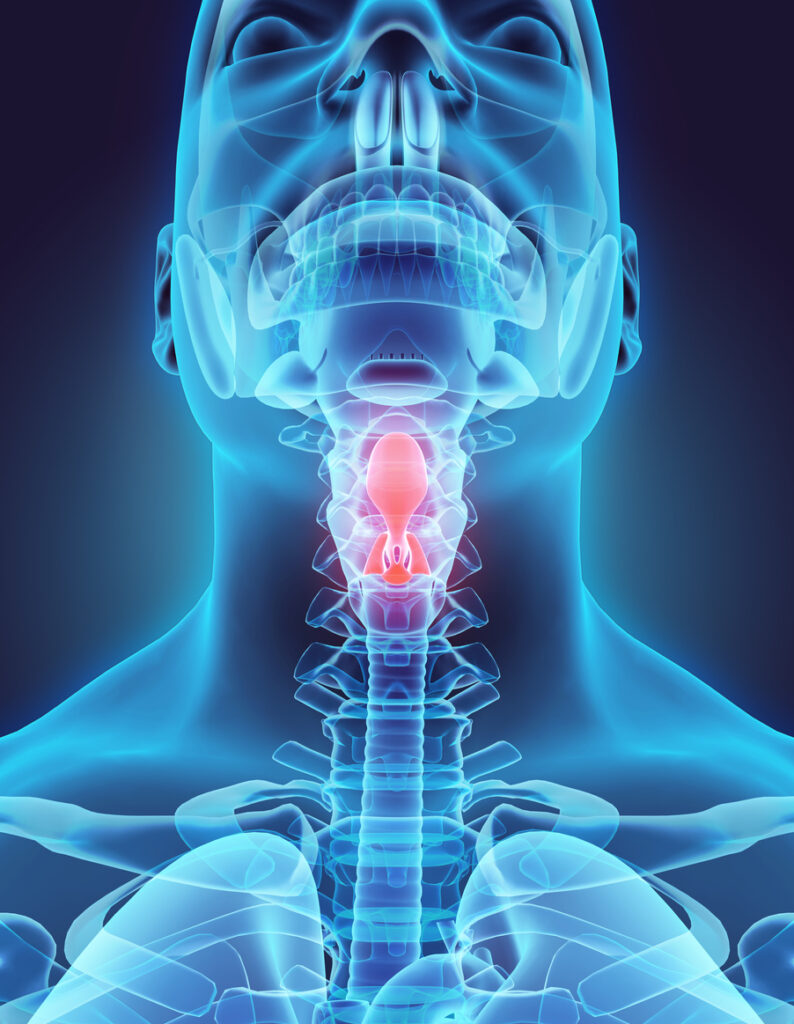
A rapid sequence induction may be performed by the anaesthesiologist which involves:
- Preoxygenation with 100% oxygen
- Providing cricoid pressure
- Giving an analgesic
- Administering a neuromuscular relaxant
- Inserting endotracheal tube (ETT)
(Gawronski, 2019)
If there is facial trauma:
- Avoid nasal intubation and nasogastric tube insertion.
- Provide an oral gastric tube to perform a stomach decompression.
- Oral intubation is a technique of choice
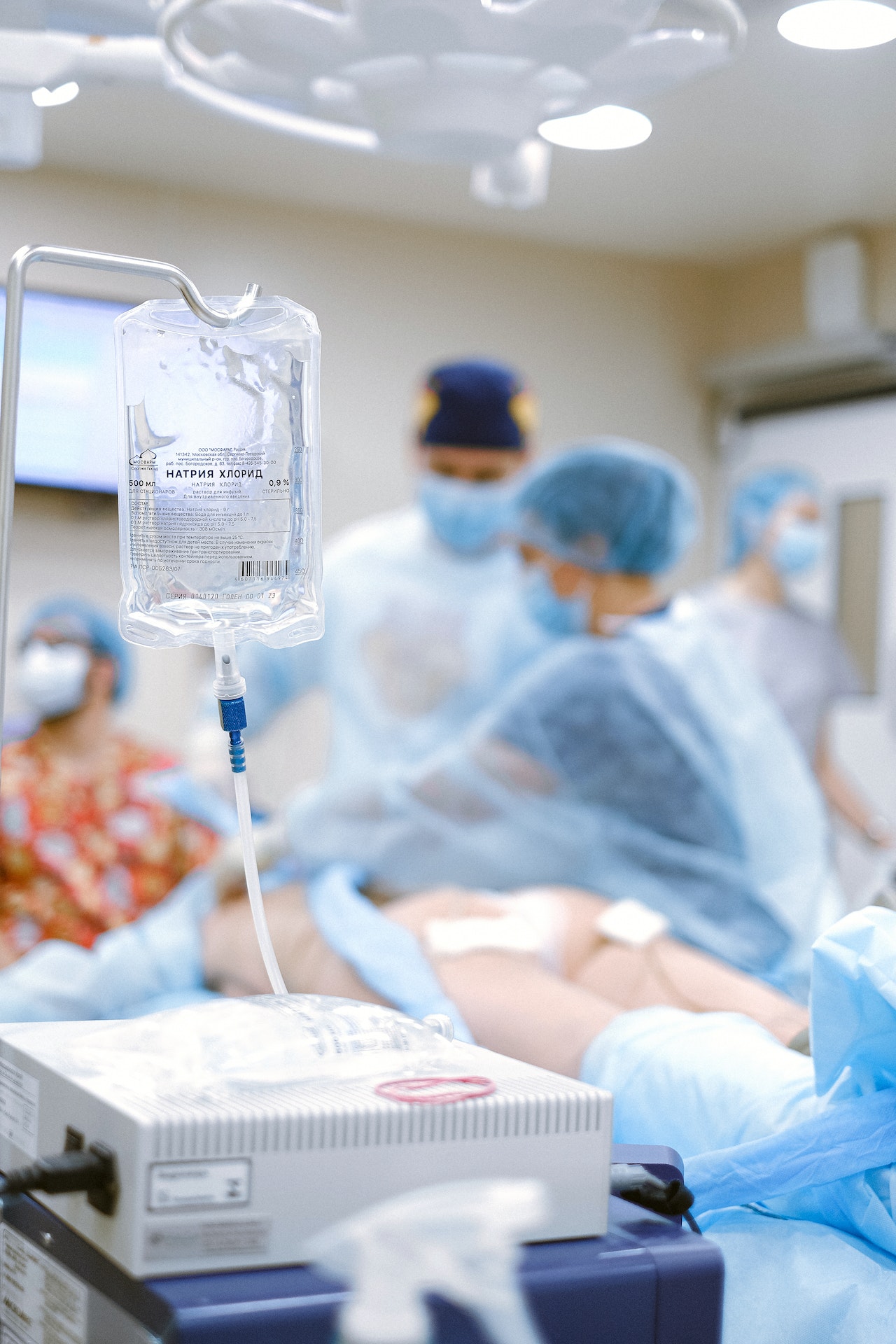
IV access is performed in the emergency department. A large bore IV is inserted, and the anesthesiologist may use a rapid fluid infusion warmer.
If IV access is difficult or not possible, intraosseous vascular access may be obtained.
Fluid volume loss may be experienced by the patient due to the following factors:
- Age
- Severity of injury
- Type and location of injury
- Time lapse from injury to treatment
- Prehospital fluid therapy
- Prehospital use of an antishock garment
- Medications taken for chronic conditions
Fluid resuscitation should be initiated when early signs of blood loss are suspected.
(Gawronski, 2019)