Surgical Interventions
Damage Control Surgery
This refers to a series of procedures performed to repair abdominal injuries, considering the patient’s physiological tolerance. The goal is to control hemorrhage and contamination to stop bleeding and control intestinal, biliary, or urinary leaks into the abdominal cavity. Indications are as follows:
- Hemodynamic instability
- Hemorrhagic shock
- Coagulopathy
- Hypotension
- Tachycardia
- Tachypnea
- Inaccessible major anatomic injury
- Concomitant major injury
- Altered Mental Status
(Gawronski, 2019)
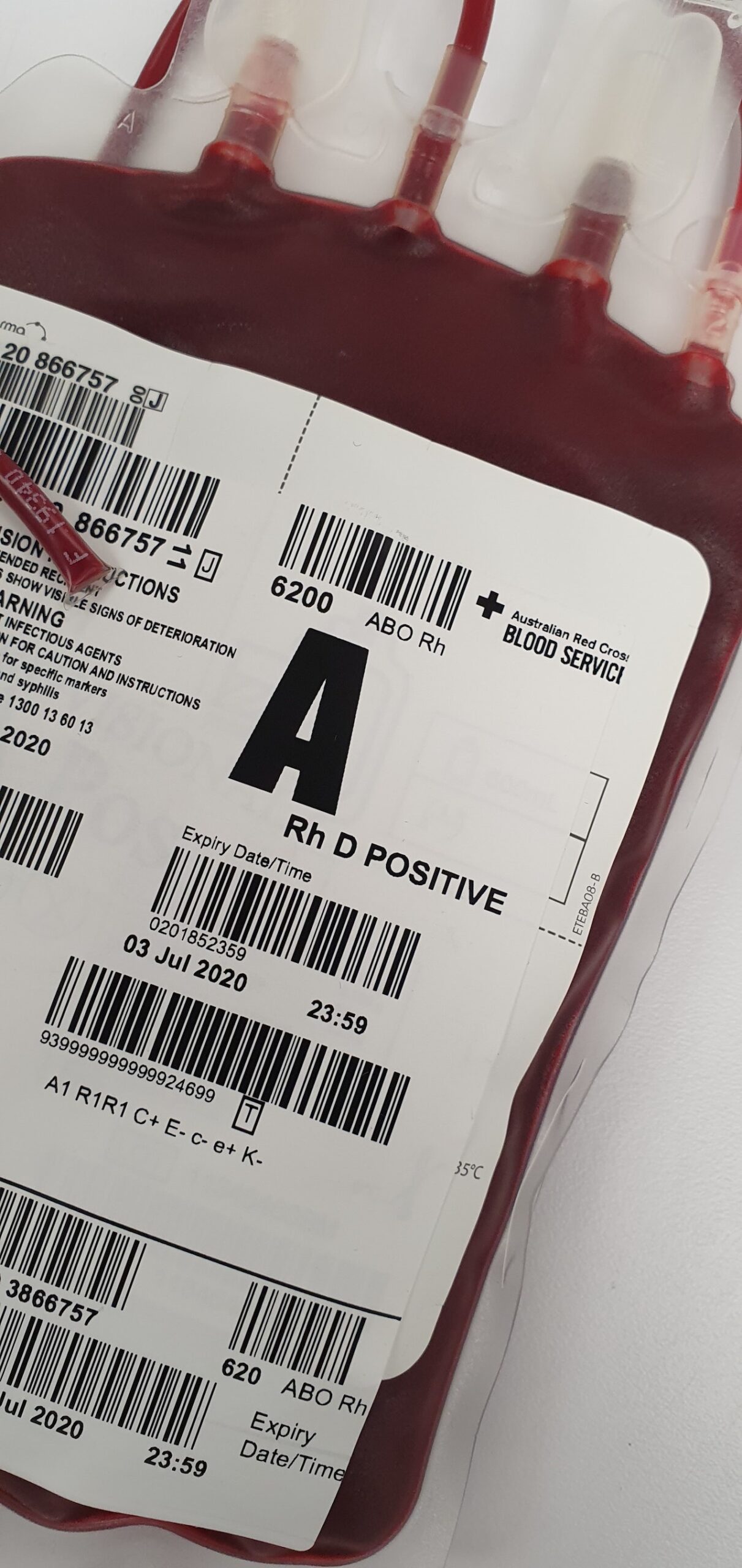
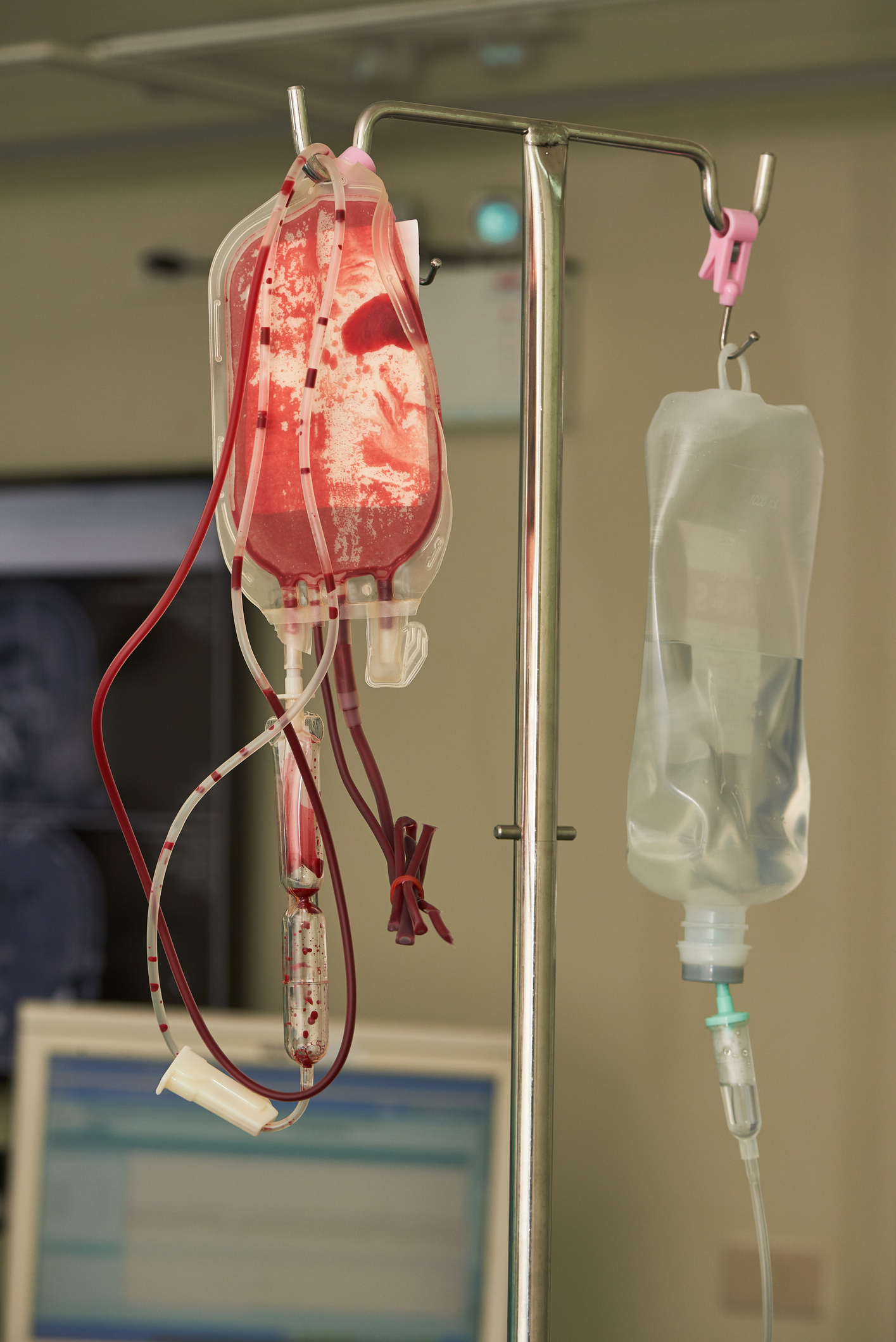
Massive Hemorrhage Protocol
Massive Transfusion
- This is defined as the replacement of 10U of red blood cells (RBCs) within a 24-hour period or 3U over an hour.
- It consists of the replacement of circulating volume with fresh frozen plasma, platelets, and RBC with ratios of 1:1:1.
- The goal is to decrease mortality, improve oxygen carrying capacity, restore circulating volume and clotting factors.
- This protocol is most often used in trauma cases but could also be required in a surgical procedure where extensive and/or unexpected bleeding occurs.
(Gawronski, 2019)
Initiating Massive Hemorrhage Protocol (MHP)
- All hospital institutions should have a Massive Hemorrhage Protocol (MHP). The purpose is to make other staff aware of the added pressure on the transfusion lab technicians. It allows these technicians to direct their focus toward the patient in high need.
- Perioperative staff must be aware of this protocol and the procedural steps to take. Typically, a MHP is initiated in the emergency department, intensive care unit, or in the perioperative environment.
- Once initiated, the MHP remains active until a physician alerts the transfusion lab that it is no longer required. This is true even if the patient is transferred from one unit to another such as the emergency department to the OR.
- In the OR, the anaesthesiologist communicates the need to initiate the MHP.
- The circulating nurse calls the transfusion medicine lab to notify them.
- Depending on the hospital protocol, a code may be announced as “CODE TRANSFUSION.”
- This lets other healthcare workers in the hospital know that the transfusion lab may be under exceptional stress providing lifesaving units of blood. Then considerations should be taken if requesting non-urgent blood from the lab.
(Collins, 2020)
Temperature Management
When providing a massive transfusion, the cold blood coming out of the cooler from the transfusion lab has the potential to quickly decrease a patient’s temperature. For this reason, it is important to:
- Check the patient’s temperature within 15 minutes of MHP activation, then every 30 minutes or continuously.
- Promote normothermia by passive and/or active warming.
- Use fluid warmer to transfuse RBC and plasma.
(Collins, 2020)
Termination of MHP
The decision to terminate the MHP may occur in the OR, or the protocol may continue as the patient is transferred to the intensive care unit. If the need for blood has been resolved, the anaesthesiologist will decide to terminate the MHP. Depending on hospital policy, the termination of MHP may require the physician to speak directly to the transfusion lab.
Multiple Procedures and Many Perioperative Personnel
- Trauma patients may require multiple surgical interventions to be performed simultaneously.
- Surgeons, anaesthesiologists, and perioperative nurses work collaboratively to determine the priority.
- The order of procedures is determined by the presence or absence of threats to the patient’s life.
- There may be situations where surgical teams must operate at the same time.
(Gawronski, 2019)
Risk of Infection
Trauma patients have a high risk of infection due to the presence of:
- Debris
- Dirt
- Motor vehicle parts
- Food particles being released into the peritoneum if the stomach or small/large bowel has been injured
- Sterile technique may be compromised due to the urgency and threat to life
Decontamination of wounds may occur before the skin prep. This is done with sterile scrub brushes, or a mechanical irrigation-under-pressure device used preoperatively or intraoperatively. Removal of gross particles should be done with care, keeping in mind not to create further damage to the wound. The perioperative nurse or surgical team member must wear the appropriate PPE when performing the scrub or irrigation.
Traffic in the OR must be kept to a minimum and limited to essential staff to minimize the chances of contamination.
Antimicrobial prophylaxis right before the skin incision has been standard practice because of potential contamination related to trauma injury. Perioperative nurses may communicate a reminder to the anaesthesiologist for the timely administration of antibiotics.
(Gawronski, 2019)
Preparing for Surgery
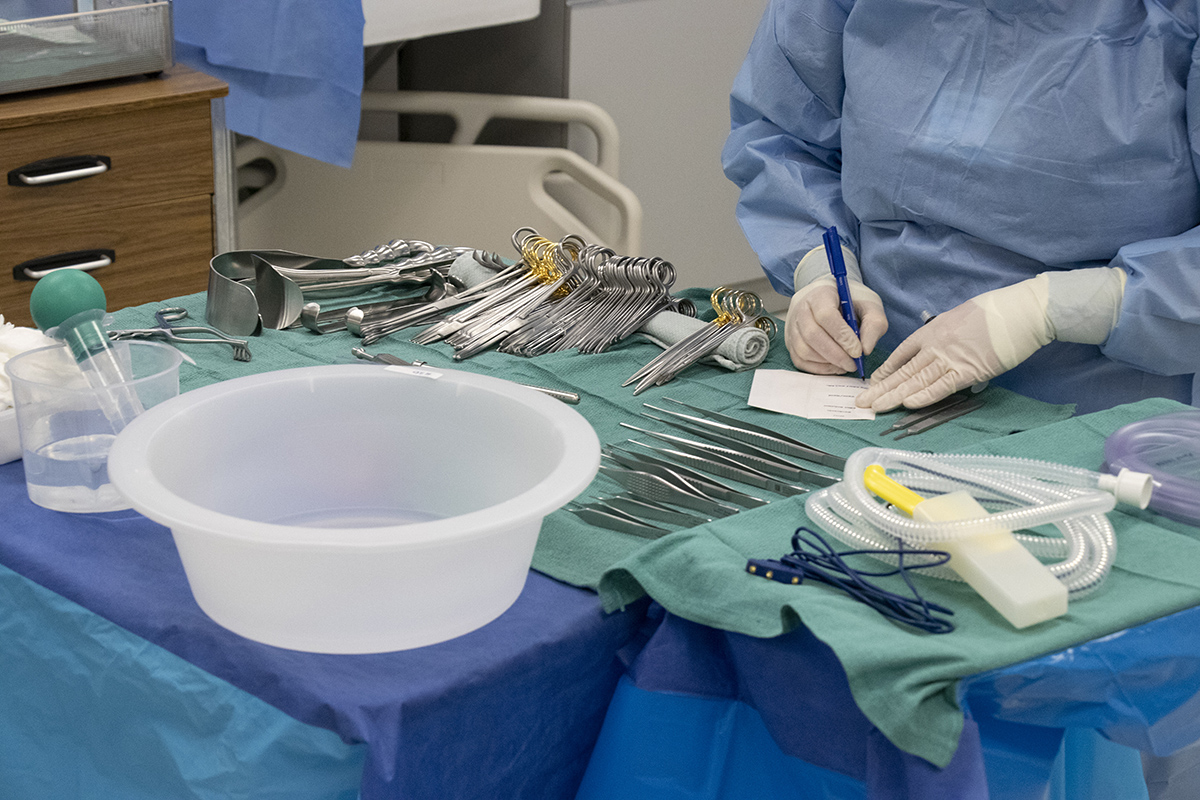
To allow for streamlining and quick preparation for the procedure, many hospitals maintain:
- An emergency abdominal procedure set
- A craniotomy procedure set
- A chest procedure set
Once the perioperative nurses are notified of the surgical procedure, consultation with the anaesthesiologist and surgeon follows. The team will determine:
- Equipment required by the surgeon(s).
- OR theatre availability, and discussion of room size to accommodate equipment, staff, and multiple procedures.
- The need for additional support staff.
- Capability of autologous blood salvage and need for additional blood products.
- Availability of emergency procedure supplies that may include power equipment.
- Which type of OR bed is required.
(Gawronski, 2019)
Evidence Preservation
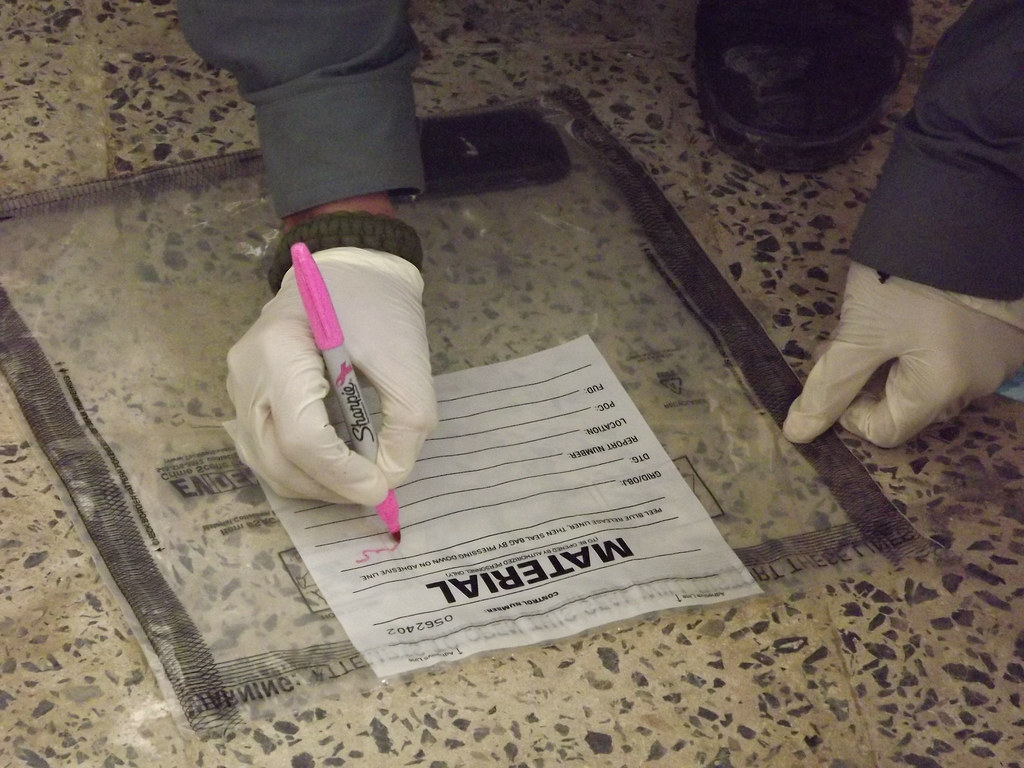
If the patient has endured trauma injury from a violent crime, the Preservation of Evidence protocol is followed. The following items are considered evidence and require special handling:
- Physical evidence such as bullets, bags of powder, weapons, pills, and foreign objects.
- Trace evidence such as hair and fibers.
- Biologic evidence such as body fluids and blood.
- Clothing or other items from the patient.
(Gawronski, 2019)
Chain of Custody
The chain of custody for all evidence must be followed, including clothing. Documentation must confirm that evidence has always been in secure possession.