Cultural Considerations for Perioperative Nurses
To provide patient centered care, perioperative nurses must be sensitive to the cultural and social needs of each patient. Before you consider someone’s cultural background and unique needs, it is important to be aware of your own beliefs, biases, and values.
Nurses are accountable for providing culturally safe and sensitive care. This has been outlined through the Ontario Human Rights Code and the Truth and Reconciliation Commission report.
All patients deserve to be treated with dignity and respect no matter what their cultural background. Watch this quick introduction video before we consider a few specific populations.
(CNO, 2022)
Creating a Safe Space for 2SLGBTQI+ Patients in the OR
Patients identifying at 2SLGBTQI+ (Two-Spirit, Lesbian, Gay, Bisexual, Transgender, Queer, Questioning, Intersex, and additional sexual orientations) have historically faced inequities in the health care system. Because of this, some have not sought out care or preventative screening. For example, those who identify as lesbian have lower rates of screening for breast cancer and cervical cancer, which could lead to higher rates of diagnoses requiring surgical intervention.
(RNAO, 2021)
Two Spirit Individuals
Two spirit individuals are highlighted within the Truth and Reconciliation Commission of Canada.
“The term Two-Spirit refers to pre-contact (prior to arrival of settlers and colonialization) gender identities believed to be common among many First peoples of Turtle Island (North America). Persons who identified as Two-Spirit had a prominent place within Indigenous societies. Two-Spirit-ness has different meanings to different communities and individuals. Indigenous people may also identify as other LGBTQI+ identities. In Canada, binary constructs of gender are a product of colonization and not recognized by many traditional Indigenous cultures. More generally, social, and academic concepts of gender and sexuality are rooted in and informed by a Western, Euro-Christian dominant cultural belief system. In 2016, there were 1,673,785 Indigenous people in Canada. One Indigenous community survey in Toronto found that 23 per cent of respondents were Two-Spirit.” (RNAO, 2021; p.35).
Historical Trauma and Social Health Inequities for Indigenous Peoples
The early settlers who colonized Canada brought with them systemic oppression and discrimination. This disrupted family and community structures of Indigenous peoples as they lost their traditional ways of living. Many children were removed from their homes and sent to residential schools where they were mistreated physically and psychologically. The long-lasting effects have been felt by Indigenous peoples across Canada. Many survivors and their descendants have lasting feelings of shame, survivor’s guilt, anxiety, low-self-esteem, anger, sadness, suicidal and or self-destructive behavior. Many Indigenous peoples also have a deep sense of mistrust of the western medical system.
This historical trauma has also impacted Indigenous peoples when it comes to social determinants of health. Studies have shown that indigenous peoples have an increased risk of “poverty, unemployment, unstable housing, homelessness, and other social and political determinants of health” (The Fenway Institute 2022; p.6).
View this news clip which introduces the first Canadian female Indigenous surgeon.
An Identified Need for Change: Indigenous Patients and Surgery
In a recent systematic review, McVicar et al. found that Indigenous peoples in Canada were less likely to undergo elective surgery to improve quality of life such as joint replacement surgery, as well as essential life sustaining procedures such as transplant or cardiac surgery (2021). In addition, it was noted that Indigenous peoples often have difficulty accessing care, resulting in more advanced disease progression.
As health care workers, we need to actively seek out ways to make Indigenous peoples and members of the 2SLGBTQI+ community feel safe coming to the perioperative environment.
(RNAO, 2021)
Cultural Competence in the OR
This video demonstrates some of the lasting effects of colonization on Indigenous peoples in Canada including ill health, language and culture loss, dislocation, and marginalization. As you watch, take note of the differences between cultural humility, cultural sensitivity, and cultural competency. Consider how you can apply these to your practice in the perioperative environment.
🧠 Graded Activity
In Blackboard, complete the Graded Activity: Creating a Safe Space for all Patients in the OR.
Creating a Safe Space for all Patients in the OR
Perioperative nurses have a short window of time to meet a patient and develop rapport before bringing them to the OR for what can be a very scary life event. It is not always easy to identify a patient’s cultural background or sexual orientation during this short timeframe. When identified or disclosed, the perioperative nurse can employ specific strategies. However, cultural background, or sexual orientation is not always something that can be visually identified. Because of this, it is vital that perioperative team members work to create a safe space for any person coming to the OR.
When speaking with a patient:
- Use 2SLGBTQI+ inclusive language when performing preoperative assessments and when communicating with any patient coming to the OR.
- Recognize that there may be historical trauma which has impacted the patient’s mental or physical health. Look for these cues, be patient and provide support. This can be relevant for Indigenous patients, but also for anyone who may have experienced trauma.
- Look for cues from the patient and ask open questions to determine their comfort level.
- Ensure that the patient remains covered with a gown and warm blanket when moving onto the OR bed.
- Have non-essential surgical team members leave the OR if the patient must be exposed. This is especially true when applying monitors and during induction.
- Take steps to learn more about 2SLGBTQI+ community and Indigenous peoples. Be careful not to make assumptions or generalizations and always ask patients what is important to them.
- Recognize the stigma and biases that may be present in others and yourself.
- Appreciate the differences in others and be willing to learn by actively listening and taking the time to collaborate to ensure patient centered care is provided.
Within your organization:
- Advocate for 2SLGBTQI+ inclusive documentation.
- Advocate for and participate in training on Indigenous health and Truth and Reconciliation.
- Advocate for and participate in training on providing culturally responsive care.
(RNAO, 2021)
🧩 Practice Activity
Complementary and Alternative Medicine
Complementary therapies may be a part of a patient’s specific cultural, ethnic, spiritual, or religious practices, or they may just be a chosen complementary health approach tied to specific mind and body practices. Many of these complementary therapies can be a great adjunct for patients; however, it is important the healthcare team is aware of the adjunct therapy being used to ensure there are no adverse reactions.
Key categories of integrative health practices or complementary medicine include alternative medical systems:
(Larner, 2019)
Complementary and Alternative Medicine in the Perioperative Environment
Click on the following examples to see how complementary medicine can be used in surgery:
Use of Herbs and Supplements in the Perioperative Environment
Up to 32% of patients use herbal medicines or supplements including vitamins, minerals, herbs, amino acids, or other dietary substances. It is vital that perioperative nurses include questions in the pre-operative assessment about these supplements and herbs as they can interact with medications given in the OR.
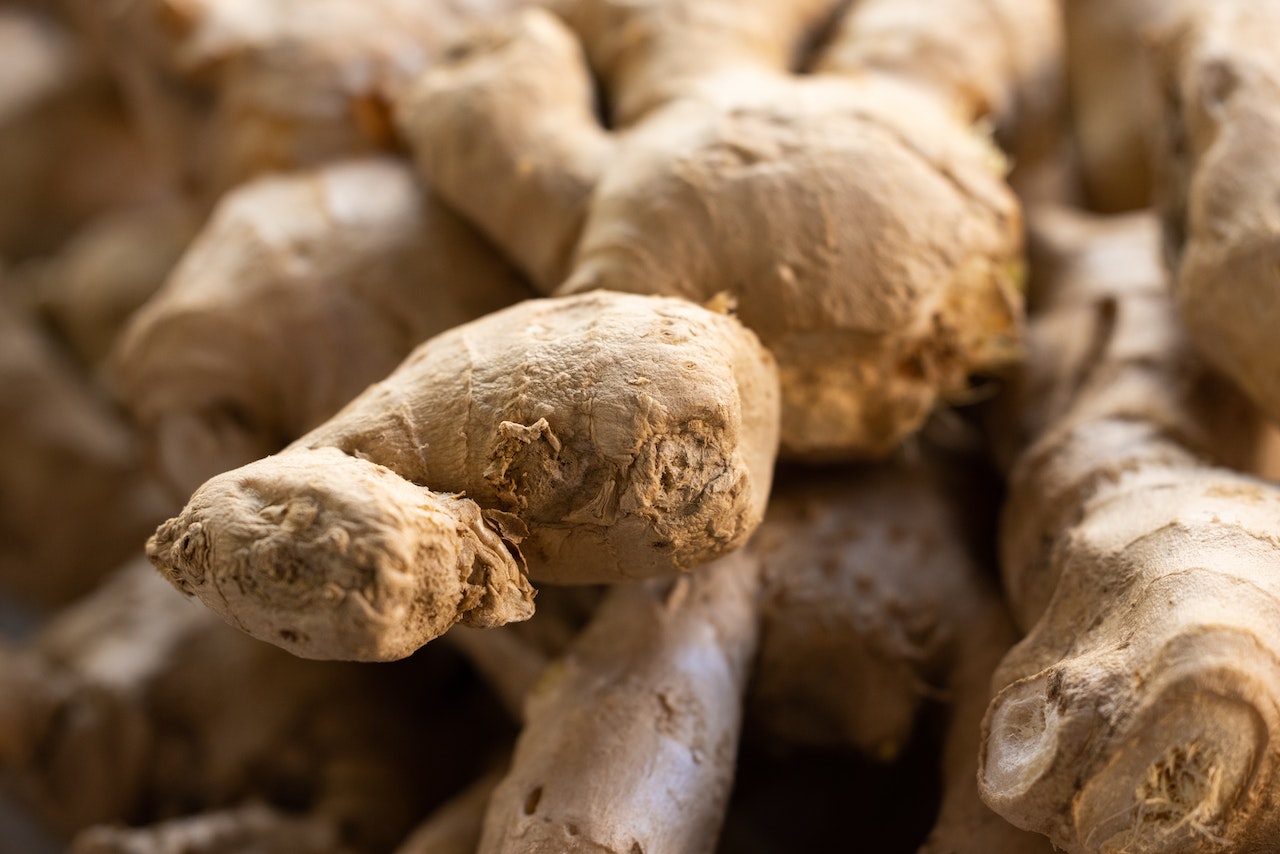
The following herbs can have interactions related to coagulation, sedation, and cardiovascular function:
If a patient is taking any herbs or supplements, the perioperative nurse should ensure that the anesthesia provider is aware before bringing the patient into the OR.